Oral Cancer Screenings in Dallas, TX
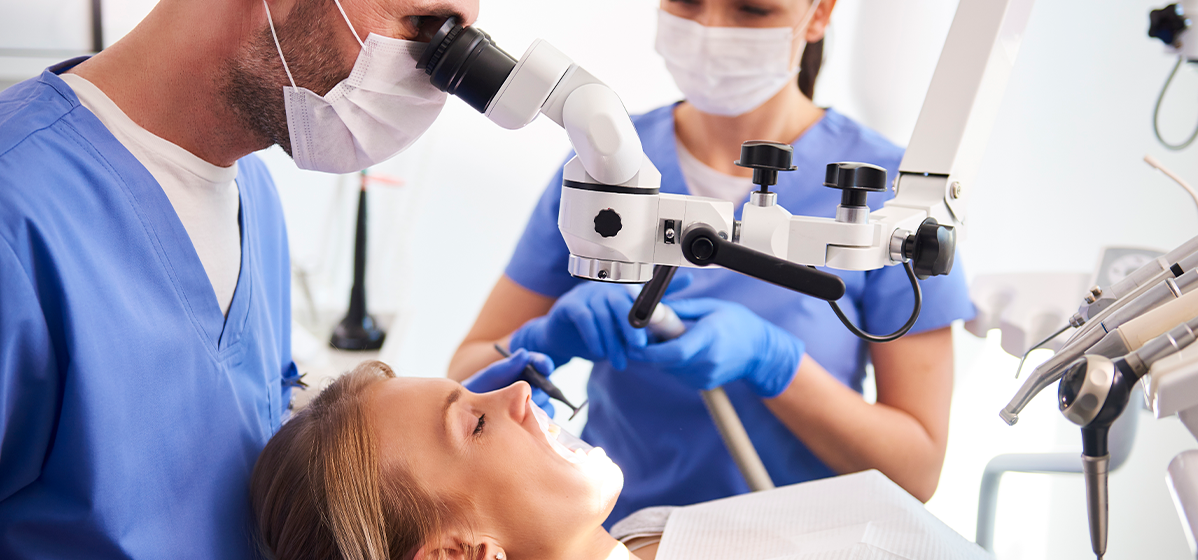
If you have persistent mouth sores, difficulty swallowing, unexplained lumps, or changes in the soft tissues of the mouth that are not healing properly, an oral cancer screening may help evaluate unusual tissue changes requiring further attention. At Mothers’ Choice Dental, patients seeking an oral cancer screening in Dallas, TX, can receive preventive oral evaluations focused on examining the lips, tongue, cheeks, gums, and surrounding tissues for abnormalities.
Routine screenings are commonly recommended during preventive dental visits, especially for individuals with risk factors such as tobacco use, alcohol use, HPV exposure, or prolonged sun exposure affecting the lips.
What Is an Oral Cancer Screening?
A screening for oral cancer is a preventive assessment used to evaluate the mouth, tongue, throat, lips, and surrounding tissues for unusual sores, discoloration, lumps, or tissue changes that may require additional evaluation.
At the time of an oral cancer screening, the dentist may examine:
- The tongue
- Gums
- Inner cheeks
- Roof and floor of the mouth
- Lips
- Throat tissues
- Jaw and neck areas
As per the Oral Cancer Foundation and the American Dental Association (ADA), routine screenings may help identify abnormal oral tissue changes that require closer monitoring or medical referral.
Signs You Need an Oral Cancer Screening in Dallas, TX
Some oral tissue changes may appear mild initially, which is why symptoms lasting longer than two weeks should not be ignored.
You may benefit from an oral cancer evaluation if you notice:
- Mouth sores that do not heal
- Red or white patches inside the mouth
- Persistent sore throat
- Difficulty swallowing
- Unexplained lumps or thickened tissuesNumbness in the mouth or lips
- Changes in voice
- Ongoing mouth pain
Individuals searching for oral cancer screenings near me are often looking for evaluations after noticing unusual oral tissue changes or symptoms that continue worsening over time.
Why Is Early Oral Cancer Detection Important?
Routine screenings help dentists identify tissue changes that may require closer monitoring or referral for additional evaluation.
Early oral cancer detection may help:
- Identify abnormal tissue changes earlier
- Monitor changes affecting oral tissues over time
- Evaluate unexplained sores or lumps
- Encourage routine oral health monitoring
- Help determine whether additional medical evaluation may be recommended
- Improve awareness of changes affecting the mouth and throat
Regular screenings may be especially important for individuals with increased oral cancer risk factors or ongoing symptoms.
What to Expect During Your Visit
Understanding the screening process can help patients feel more informed during preventive oral evaluations.
Visual Oral Examination
The dentist examines the lips, tongue, gums, cheeks, throat, and oral tissues for visible abnormalities or unusual tissue changes.
Examination of Soft Tissues
The soft tissues inside the mouth may be evaluated for lumps, discoloration, swelling, or irregular tissue texture.
Discussion of Symptoms and Risk Factors
The dentist may discuss symptoms, medical history, tobacco use, alcohol consumption, or other factors associated with oral cancer risk.
Recommendations and Follow-Up
If tissue changes are identified, the dentist may recommend monitoring, additional testing, or referral to a specialist for further evaluation.
Some evaluations may take longer if additional tissue changes require closer examination.
Why Choose Our Dental Office in Dallas, TX?
Preventive Oral Health Evaluations
Dr. Susan Roshan previously served as an instructor at Baylor Dental College and focuses on preventive dental care designed to support long-term oral health monitoring.
Thorough Soft Tissue Examinations
Routine dental visits include evaluations of the mouth and surrounding tissues to help identify abnormalities requiring additional attention.
Modern Diagnostic Technology
Digital imaging and diagnostic tools are utilized to support preventive dental evaluations and oral health monitoring.
Clear Screening Discussions
The dental team focuses on discussing symptoms, screening findings, and follow-up recommendations clearly throughout the evaluation process.
Insurance and Financing Options
Many insurance plans may include preventive dental benefits that help cover routine oral examinations and preventive screenings.
Flexible payment options are also available through CareCredit®, Cherry, and Sunbit for qualifying patients seeking additional payment support for dental treatment.
Insurance coverage and financing availability are commonly reviewed before scheduling preventive dental evaluations.
Serving Dallas and Nearby Areas
Patients visit the Dallas office from nearby communities, including Richardson, Lancaster, and Old East Dallas, for preventive dental evaluations and oral health screenings.
The office provides preventive dental care for patients seeking routine screenings, oral health monitoring, and evaluations for persistent symptoms.
Schedule an Oral Cancer Screening Appointment
Persistent mouth sores, unexplained lumps, or changes in oral tissues should not be ignored, especially when symptoms continue longer than expected.
Whether you have noticed unusual symptoms or are scheduling preventive dental care, an oral cancer screening may help determine whether additional evaluation is recommended.
Oral Cancer Screenings FAQs
Oral cancer screenings are often performed during routine dental exams. The dentist may recommend screening frequency based on age, health history, and risk factors.
No. Oral cancer screenings are generally quick, non-invasive, and comfortable. The dentist visually examines the mouth and may gently feel tissues for abnormalities.
Routine checkups allow the dentist to monitor changes in the mouth over time and identify unusual sores, lumps, discoloration, or tissue changes that may require further evaluation.
Possible signs include sores that do not heal, red or white patches, persistent mouth pain, difficulty swallowing, or unexplained lumps. Any persistent changes should be evaluated by a dental professional.
Most screenings take just a few minutes and are often completed during a routine dental examination.
Promotions
Our Special Offer

Free At-Home Whitening Kit with Invisalign
Enhance your smile even further with a complimentary at-home whitening kit when you begin your Invisalign treatment.
 Professional-grade whitening for brighter results
- Easy and convenient at-home use
- Complements your new straight smile
 Professional-grade whitening for brighter results
Available with Invisalign treatment only

$500 Off Invisalign Treatment
Achieve a straighter, healthier smile with our limited-time Invisalign offer. Save $500 on clear aligners designed for comfort and convenience. Start your journey to a confident smile today!
- Discreet, virtually invisible aligners
- Customized treatment plan for optimal results
- Comfortable and removable for easy daily use
Limited-time offer for qualifying patients

$50 New Patient Special
New Patient Exam & X-Rays
Emergency Exam & X-Rays
Taking care of your oral health has never been simpler. Book your appointment today at a special discounted rate!
- Receive a thorough exam to assess your dental health
- Includes X-rays for a comprehensive diagnosis
- Ideal for a second opinion or emergency evaluation
Only for patients without insurance

Basic Dental Cleaning for Adults – Just $150!
Keeping your family’s smile healthy has never been easier. Book a simple dental cleaning for both adults and children at a special discounted rate!
- Removes plaque and tartar buildup
- Helps prevent cavities and gum disease
- Includes a comprehensive oral health check
This offer is not applicable for patients with gum disease
Real Patients, Real Results: Before & after Dental Transformations