Root Canal Therapy in Dallas, TX
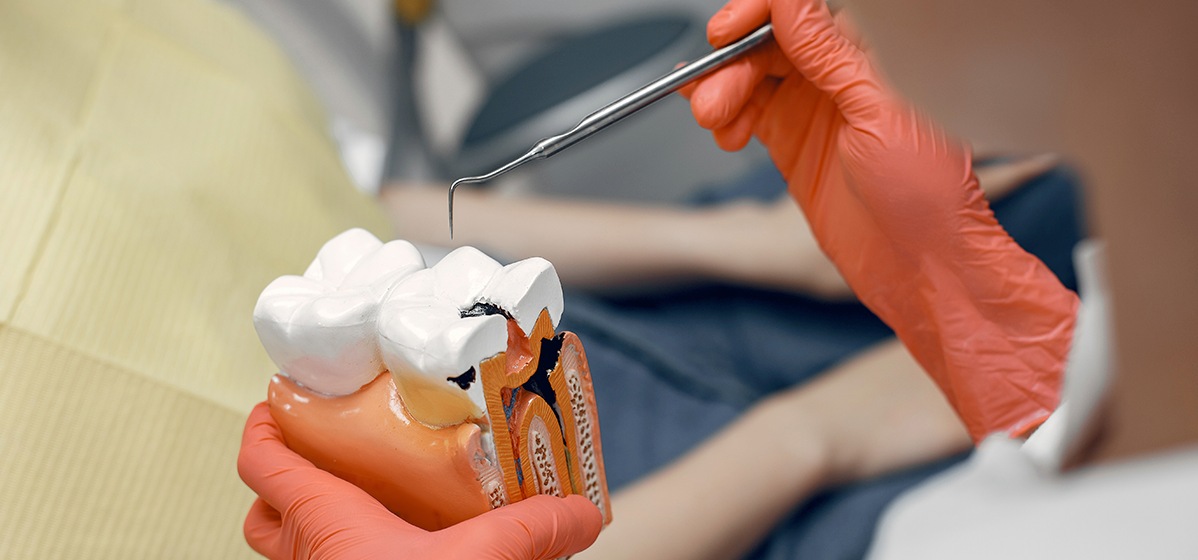
If severe tooth pain, swelling, prolonged sensitivity, or deep decay are affecting oral comfort, root canal therapy may help treat infection inside the tooth while preserving natural tooth structure. At Mothers’ Choice Dental, patients seeking root canal therapy in Dallas, TX, can receive evaluations and treatment recommendations designed to address internal tooth infection and support long-term oral health.
Dental infections involving the inner portion of the tooth may gradually worsen if bacteria reach the pulp tissue inside the tooth. Root canal therapy is commonly recommended when inflammation or infection affects the nerves and blood vessels within the tooth structure.
What Is Root Canal Therapy?
Root canal therapy is a procedure that focuses on the inside of the tooth, designed to eliminate infected or inflamed tissue while aiming to maintain the outer structure of the tooth whenever possible.
Treatment may be recommended for:
- Deep tooth decay
- Tooth infections
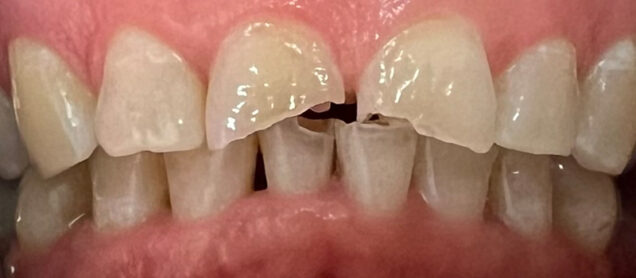
- Cracked teeth affecting the pulp
- Severe tooth sensitivity
- Swelling near the tooth
- Tooth pain during chewing
- Abscess-related infections
- Inflammation affecting the internal tooth tissue
Patients exploring root canal therapy near me are often looking for treatment that may help preserve a natural tooth affected by infection or deep decay.
As per the American Association of Endodontists (AAE), root canal therapy may help eliminate bacteria from infected root canals while preserving the natural tooth whenever possible.
Signs You May Need Root Canal Therapy
Infections involving the pulp tissue inside the tooth may gradually worsen over time if left untreated.
A dental evaluation may be recommended if you experience:
- Persistent tooth pain
- Sensitivity to hot or cold temperatures
- Swelling near the gums
- Pain during chewing
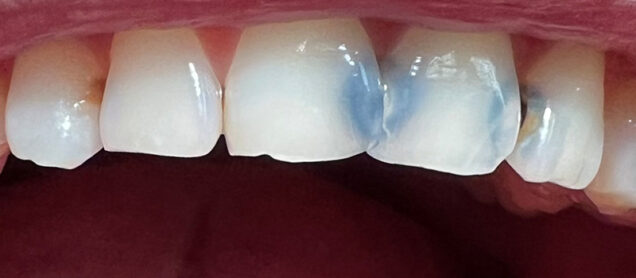
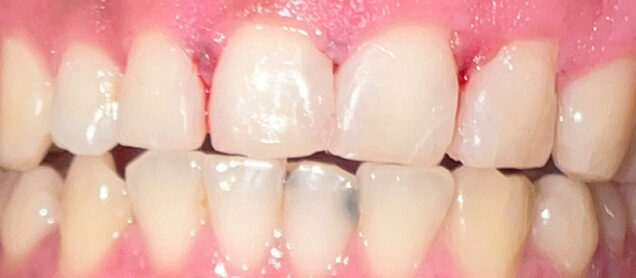
- Darkening of the tooth
- Deep decay affecting the tooth
- Gum tenderness
- Pressure around the affected tooth
Some individuals seeking infected tooth treatment only do so after they notice symptoms worsening gradually as inflammation spreads deeper into the tooth structure.
Why Is Root Canal Therapy Important?
Root canal therapy may help remove infected tissue, preserve the natural tooth, and reduce complications associated with untreated infection.
Treatment may help:
- Remove infected pulp tissue
- Preserve natural tooth structure
- Reduce infection-related discomfort
- Improve chewing comfort
- Reduce swelling affecting the surrounding tissues
- Prevent worsening dental infection
- Support long-term tooth stability
- Help maintain bite function
In some situations, preserving the natural tooth may help reduce stress affecting surrounding teeth and bite alignment.
What to Expect During Your Visit
Having a know-how of the root canal process can help patients feel more informed before treatment begins.
Endodontic Evaluation
The dentist evaluates tooth condition, symptoms, oral health, and surrounding tissues while discussing treatment concerns and diagnostic findings.
Digital Imaging and Diagnostic Records
Digital imaging may be used to evaluate root structure, infection severity, and surrounding bone support before treatment begins.
Removal of Infected Tissue
The pulp tissue that is infected or inflamed is meticulously extracted from within the tooth.
Cleaning and Sealing the Tooth
The internal root canals are cleaned and sealed to help reduce bacterial contamination within the tooth.
Final Restoration
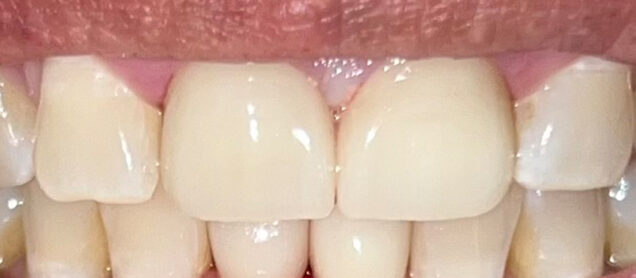
A dental crown or restoration may be recommended after treatment to help protect tooth structure and improve long-term stability.
Follow-Up and Recovery Guidance
The dentist discusses oral hygiene recommendations, healing expectations, and follow-up care after treatment is completed.
Why Choose Our Dental Office in Dallas, TX?
Experience with Restorative and Endodontic Care
Dr. Susan Roshan previously served as an instructor at Baylor Dental College and focuses on preventive, restorative, and endodontic dental care designed around individual patient needs and long-term oral health considerations.
Personalized Treatment Planning
Treatment recommendations are based on tooth condition, infection severity, oral health findings, and long-term restorative goals.
Modern Diagnostic Technology
Digital imaging and diagnostic tools are utilized to evaluate infection-related concerns, root structure, and treatment planning needs before care begins.
Clear Treatment Discussions
The dental team focuses on discussing infection-related concerns, treatment expectations, oral health considerations, and follow-up recommendations clearly during visits.
Insurance and Financing Options
Coverage for endodontic procedures varies depending on the patient’s insurance plan, diagnosis, and restorative treatment needs.
Flexible payment options are also available through CareCredit®, Cherry, and Sunbit for qualifying patients seeking additional payment support for treatment.
Insurance coverage and financing availability are commonly reviewed before beginning endodontic treatment.
Serving Dallas and Nearby Areas
Patients visit the Dallas office from nearby communities, including Highland Park, Irving, and Richardson, for preventive, restorative, and endodontic dental care.
The office provides evaluations and treatment recommendations for patients experiencing tooth infections, severe tooth pain, swelling, and deep decay affecting oral health.
Schedule a Root Canal Evaluation in Dallas, TX
Untreated tooth infections may continue affecting oral comfort and surrounding tissues over time if inflammation progresses deeper into the tooth.
Whether you are experiencing severe tooth discomfort or searching for emergency root canal treatment, scheduling a dental evaluation can help determine whether root canal therapy may be appropriate for your oral health needs.
Root Canal Therapy FAQs
Root canal therapy is often finished in one or two appointments, all depending on the condition of the tooth as well as the complexity of treatment.
Root canal therapy may be advised when the pulp within the tooth turns inflamed or infected due to deep decay, injury, cracks, or other damage.
A root canal procedure becomes necessary when bacteria reach the inner portion of the tooth through deep cavities, fractures, repeated dental work, or trauma. The treatment removes infection and helps preserve the tooth.
Common signs may include lingering tooth pain, sensitivity to temperature, swelling, tenderness, discoloration, or discomfort when chewing. A dental evaluation is needed to confirm the cause.
Many teeth benefit from a crown after root canal therapy because it helps protect and strengthen the treated tooth. The dentist will decide if a crown is recommended based on the tooth's condition.
Promotions
Our Special Offer

Free At-Home Whitening Kit with Invisalign
Enhance your smile even further with a complimentary at-home whitening kit when you begin your Invisalign treatment.
 Professional-grade whitening for brighter results
- Easy and convenient at-home use
- Complements your new straight smile
 Professional-grade whitening for brighter results
Available with Invisalign treatment only

$500 Off Invisalign Treatment
Achieve a straighter, healthier smile with our limited-time Invisalign offer. Save $500 on clear aligners designed for comfort and convenience. Start your journey to a confident smile today!
- Discreet, virtually invisible aligners
- Customized treatment plan for optimal results
- Comfortable and removable for easy daily use
Limited-time offer for qualifying patients

$50 New Patient Special
New Patient Exam & X-Rays
Emergency Exam & X-Rays
Taking care of your oral health has never been simpler. Book your appointment today at a special discounted rate!
- Receive a thorough exam to assess your dental health
- Includes X-rays for a comprehensive diagnosis
- Ideal for a second opinion or emergency evaluation
Only for patients without insurance

Basic Dental Cleaning for Adults – Just $150!
Keeping your family’s smile healthy has never been easier. Book a simple dental cleaning for both adults and children at a special discounted rate!
- Removes plaque and tartar buildup
- Helps prevent cavities and gum disease
- Includes a comprehensive oral health check
This offer is not applicable for patients with gum disease
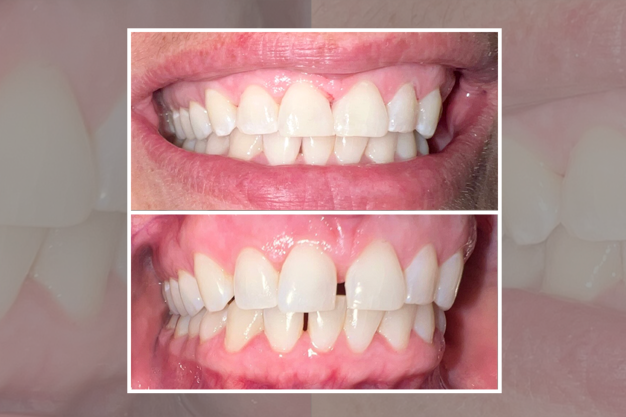
Real Patients, Real Results: Before & after Dental Transformations