Dental Bonding in Dallas, TX
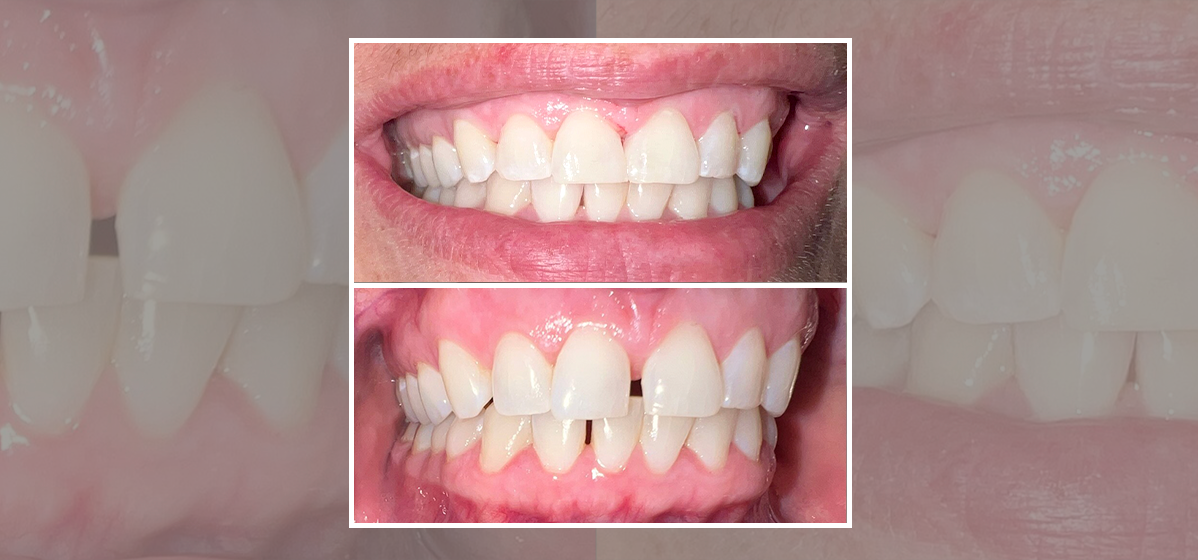
If chipped teeth, uneven edges, small gaps, or discoloration are affecting the appearance of your smile, dental bonding may help improve visible tooth imperfections without more extensive cosmetic treatment. At Mothers’ Choice Dental, patients seeking dental bonding in Dallas, TX, can receive cosmetic evaluations and tooth-coloured treatment designed to improve tooth appearance while preserving natural tooth structure whenever possible.
Dental bonding can generally be finished in a single appointment, based on the state of the tooth and the objectives of the treatment.
What Is Dental Bonding?
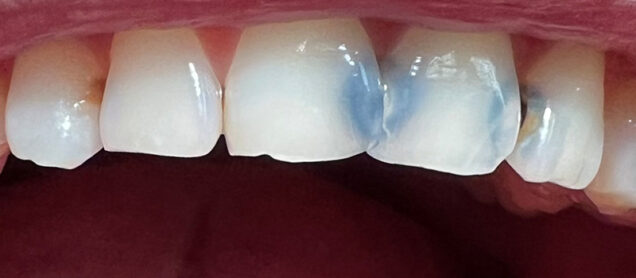
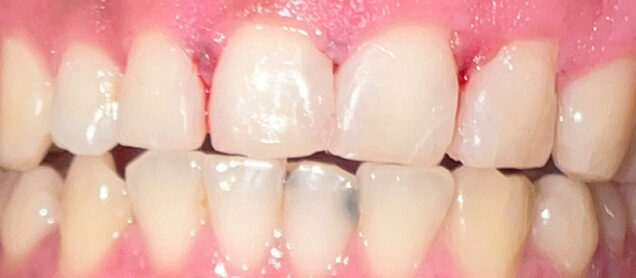
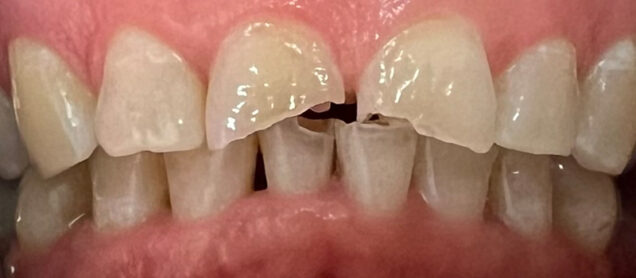
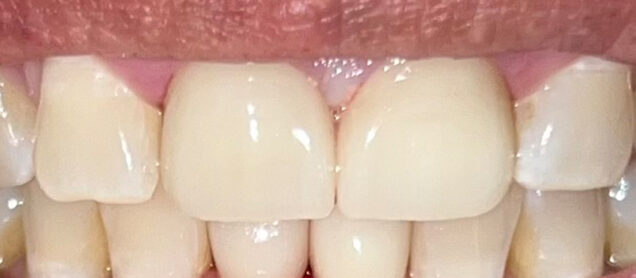
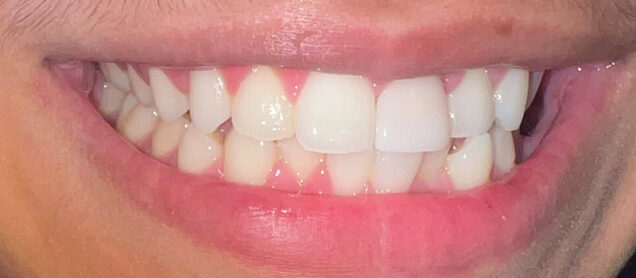
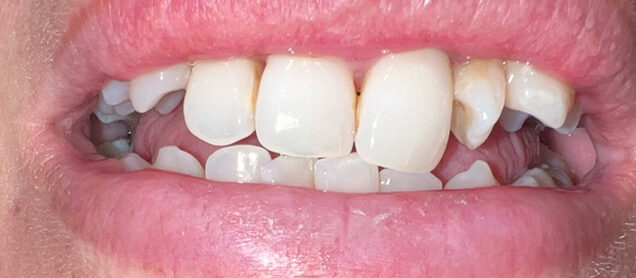
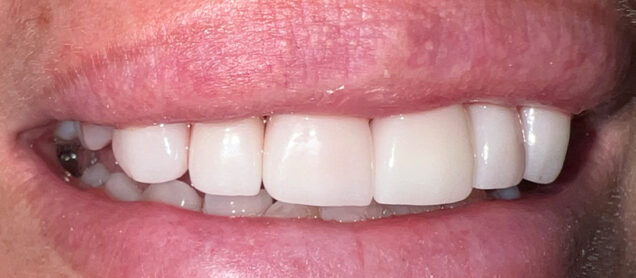
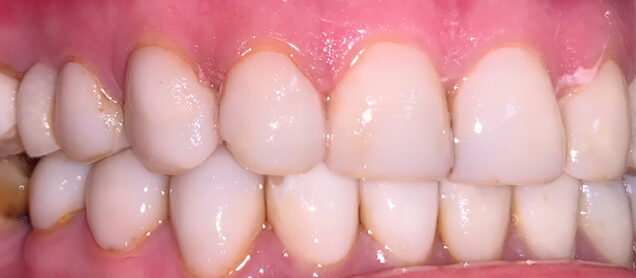
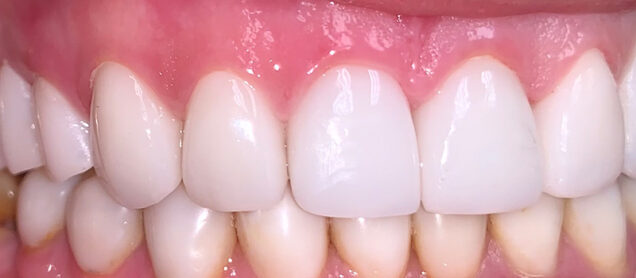
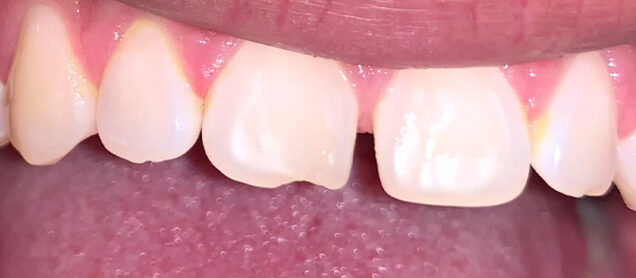
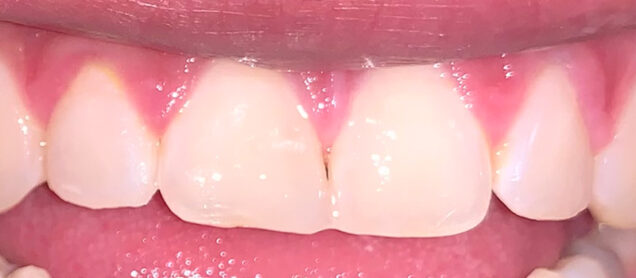
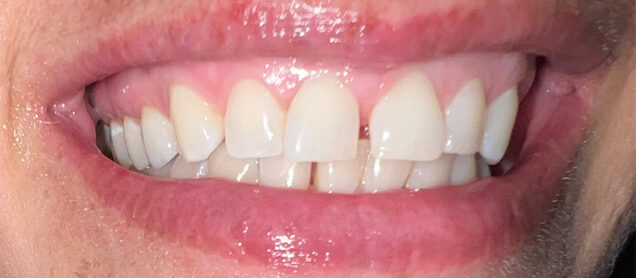
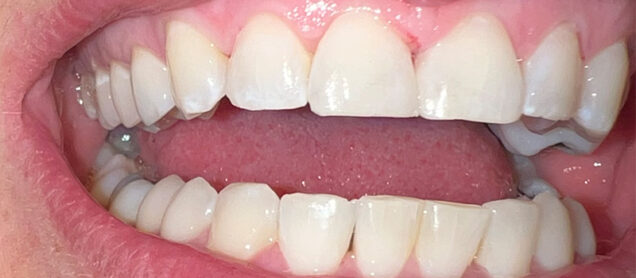
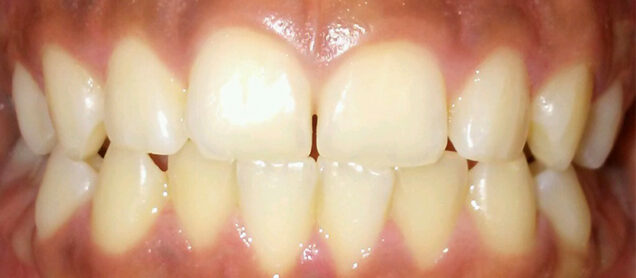
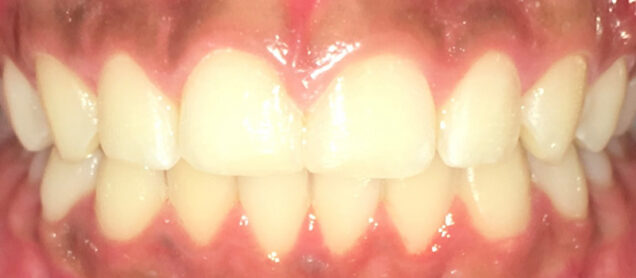
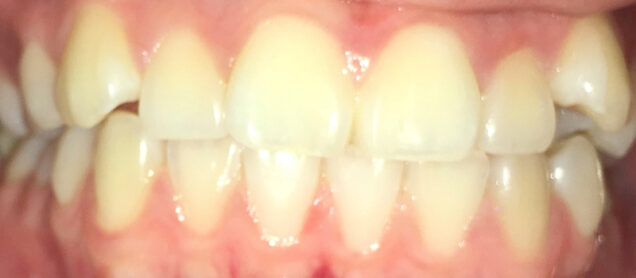
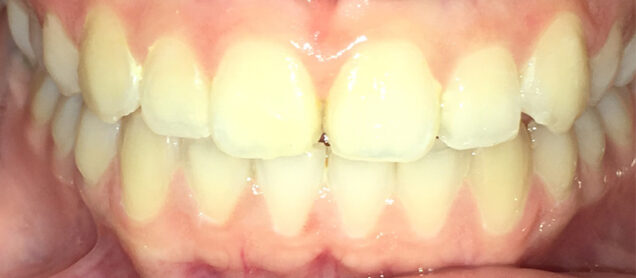
Dental bonding is a procedure under cosmetic dentistry that uses composite resin matching the shade of teeth to improve the appearance of teeth with chips, uneven edges, discoloration, or spacing problems. The bonding substance is meticulously molded and polished to blend seamlessly with the nearby teeth.
Cosmetic dental bonding may be recommended for:
- Chipped teeth
- Minor tooth gaps
- Uneven tooth edges
- Small cracks
- Tooth discoloration
- Minor shape irregularities
- Worn enamel surfaces
- Surface imperfections affecting visible teeth
As per the American Dental Association (ADA), composite bonding may help restore small areas of tooth structure while improving visible cosmetic concerns affecting the teeth.
Signs You May Benefit from Dental Bonding in Dallas, TX
Small cosmetic concerns involving the teeth can gradually become more noticeable over time, especially during daily activities such as speaking, smiling, or eating.
A cosmetic dental evaluation may be recommended if you experience:
- Chipped tooth edges
- Small spaces between teeth
- Uneven tooth shape
- Minor tooth cracks
- Discoloration affecting one or more teeth
- Worn enamel surfaces
- Rough tooth edges
- Visible surface imperfections
Individuals exploring dental bonding near me are often looking for cosmetic treatment that may help improve visible tooth imperfections without extensive restorative procedures.
Why Is Dental Bonding Important?
Dental bonding may help improve the appearance of teeth affected by minor cosmetic damage, uneven surfaces, or discoloration while maintaining a more conservative treatment approach.
Dental bonding may help:
- Improve chipped tooth edges
- Reduce visibility of small gaps
- Improve tooth symmetry
- Restore worn tooth surfaces
- Improve the appearance of discoloration
- Blend cosmetic repairs with the surrounding teeth
- Support a more balanced smile appearance
In some situations, bonding may also help protect small damaged areas of enamel from additional wear or surface breakdown over time.
What to Expect During Your Visit
Understanding the treatment process can help patients feel more informed before cosmetic treatment begins.
Cosmetic Dental Evaluation
The dentist evaluates tooth structure, cosmetic concerns, oral health condition, and bite alignment while discussing treatment goals and expectations.
Tooth Surface Preparation
The tooth surface is prepared before the bonding material is applied. In many cases, only minimal preparation is required.
Bonding Application
The composite material is carefully applied, shaped, and adjusted to improve the appearance of the affected tooth while blending with nearby teeth.
Shaping and Polishing
After the material is placed, the bonded area is polished to create a smoother appearance and help match surrounding tooth surfaces more naturally.
Final Evaluation
The dentist checks bite alignment, comfort, and overall appearance before completing treatment.
Bonding treatment depends on the condition of the tooth and the cosmetic concern being addressed. Some patients may require bonding on one tooth, while others may choose treatment involving multiple teeth for cosmetic consistency.
Why Choose Our Dental Office in Dallas, TX?
Experience with Cosmetic Dental Care
Dr. Susan Roshan previously served as an instructor at Baylor Dental College and focuses on preventive, restorative, and cosmetic dental care designed around individual patient needs and long-term oral health considerations.
Conservative Cosmetic Treatment Options
Dental bonding may provide a more conservative cosmetic approach for patients seeking improvements involving chips, gaps, uneven edges, or discoloration without more extensive restorative procedures.
Modern Diagnostic Technology
Digital imaging and diagnostic tools are utilized to support cosmetic evaluations, treatment planning, and oral health assessments before cosmetic treatment begins.
Clear Cosmetic Treatment Discussions
The dental team focuses on discussing cosmetic concerns, treatment expectations, oral health considerations, and long-term maintenance recommendations clearly during visits.
Insurance and Financing Options
Coverage for cosmetic dental procedures may vary depending on the treatment performed and the patient’s insurance benefits.
Flexible payment options are also available through CareCredit®, Cherry, and Sunbit for qualifying patients seeking additional payment support for treatment.
Insurance coverage and financing availability are commonly reviewed before scheduling cosmetic dental procedures.
Serving Dallas and Nearby Areas
Patients visit the Dallas office from nearby communities, including Highland Park, Richardson, and Lancaster, for preventive, restorative, and cosmetic dental care.
The office provides cosmetic evaluations and treatment recommendations for patients seeking improvements involving tooth appearance, spacing concerns, and visible enamel imperfections.
Schedule a Dental Bonding Consultation
Chipped teeth, uneven edges, discoloration, or visible gaps may continue affecting the smile’s appearance over time if left untreated.
Whether you are considering treatment for small cosmetic concerns or exploring options such as dental bonding for gaps, scheduling a cosmetic evaluation can help determine whether bonding treatment may be appropriate for your oral health needs and cosmetic goals.
Dental Bonding FAQs
Dental bonding may last several years depending on oral habits, the bonding location, and routine dental care. Regular checkups help monitor the condition of bonded teeth.
Maintain optimal oral hygiene by brushing, flossing, and attending regular dental visits. Avoid habits like chewing ice or biting really hard objects that may damage the bonded material.
With proper care, dental bonding often remains in good condition for several years. Longevity varies depending on daily habits and the amount of wear placed on the restoration.
Coverage depends on the reason for treatment and the details of your insurance plan. Cosmetic bonding may not receive the same coverage as medically necessary restorative procedures.
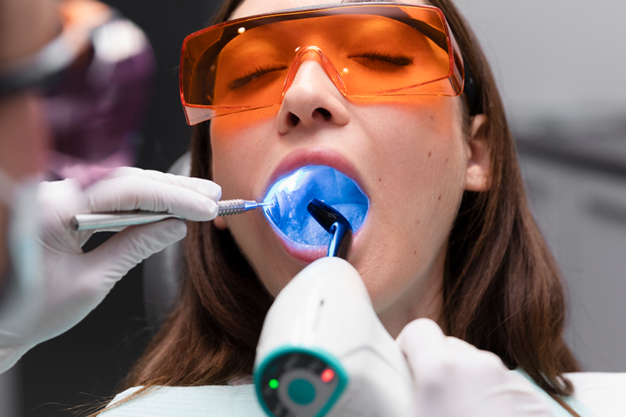
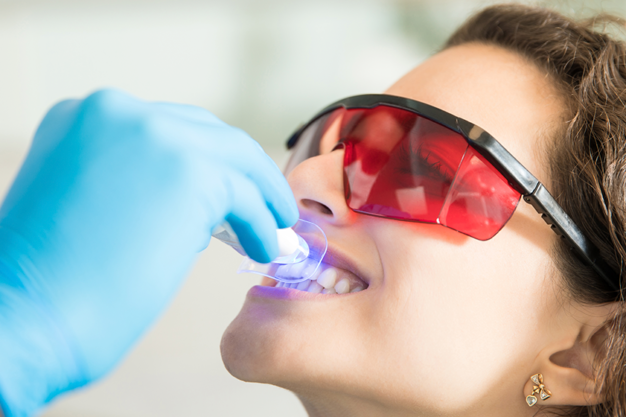
Dental bonding involves application of a tooth-colored resin to the tooth surface, shaping it to the desired form, and hardening it with a curing light. The material is then polished to blend with surrounding teeth.
Promotions
Our Special Offer
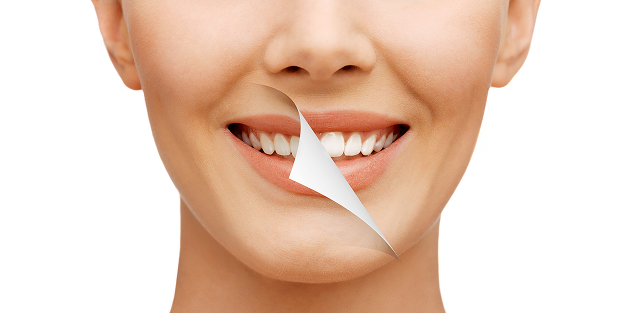
Free At-Home Whitening Kit with Invisalign
Enhance your smile even further with a complimentary at-home whitening kit when you begin your Invisalign treatment.
 Professional-grade whitening for brighter results
- Easy and convenient at-home use
- Complements your new straight smile
 Professional-grade whitening for brighter results
Available with Invisalign treatment only
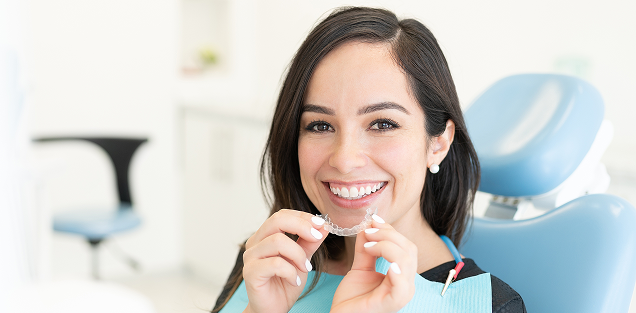
$500 Off Invisalign Treatment
Achieve a straighter, healthier smile with our limited-time Invisalign offer. Save $500 on clear aligners designed for comfort and convenience. Start your journey to a confident smile today!
- Discreet, virtually invisible aligners
- Customized treatment plan for optimal results
- Comfortable and removable for easy daily use
Limited-time offer for qualifying patients

$50 New Patient Special
New Patient Exam & X-Rays
Emergency Exam & X-Rays
Taking care of your oral health has never been simpler. Book your appointment today at a special discounted rate!
- Receive a thorough exam to assess your dental health
- Includes X-rays for a comprehensive diagnosis
- Ideal for a second opinion or emergency evaluation
Only for patients without insurance

Basic Dental Cleaning for Adults – Just $150!
Keeping your family’s smile healthy has never been easier. Book a simple dental cleaning for both adults and children at a special discounted rate!
- Removes plaque and tartar buildup
- Helps prevent cavities and gum disease
- Includes a comprehensive oral health check
This offer is not applicable for patients with gum disease
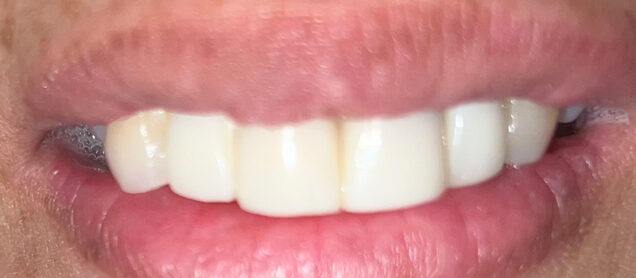
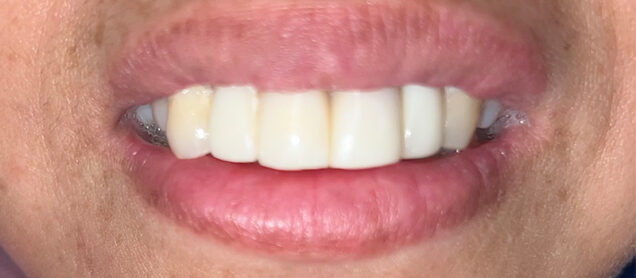
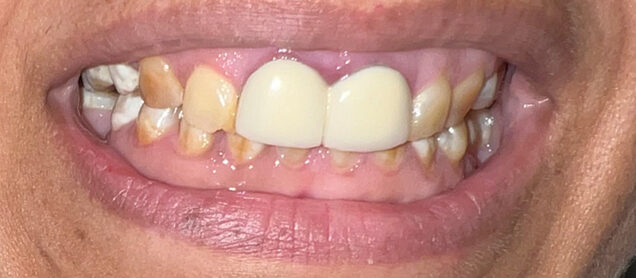
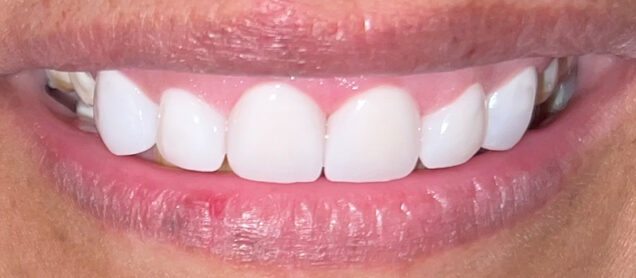
Real Patients, Real Results: Before & after Dental Transformations